











Engineered Wood Bedside Tables: Pros, Cons & Care Tips

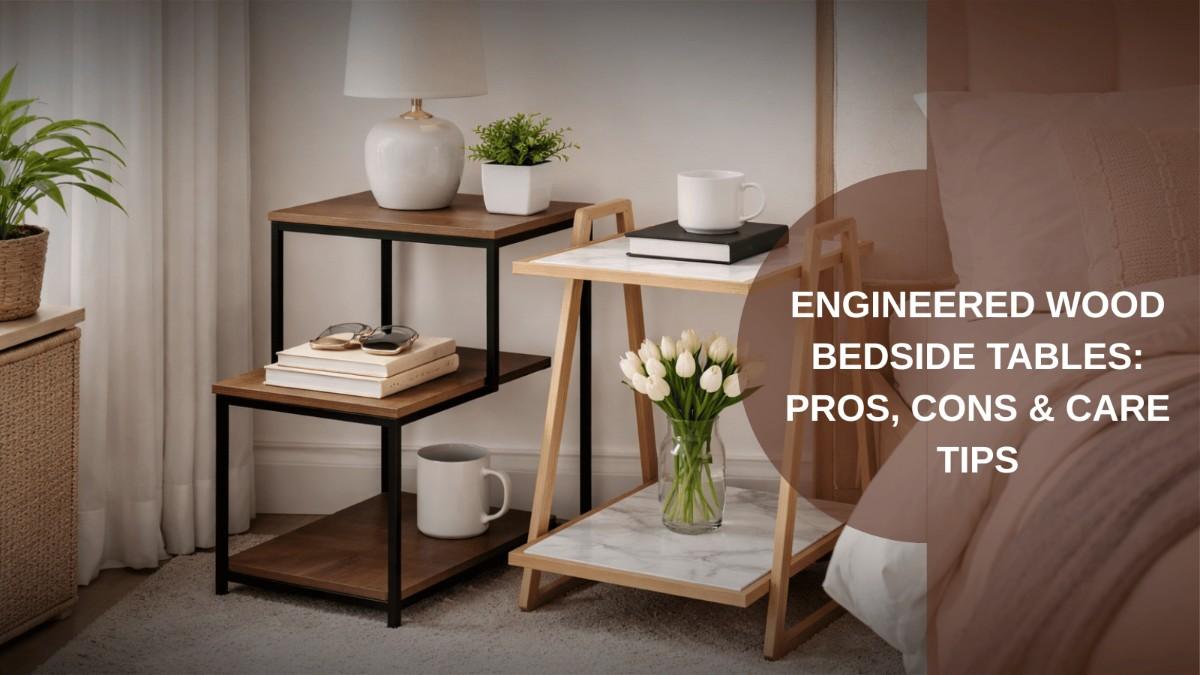
Bedroom furniture has evolved significantly over the past decade. Among the most popular modern options today is the engineered wood bedside table, known for its stylish design, affordability, and practicality. But how does it compare to solid wood? And how can you maintain it for long-lasting bedside table durability?
In this guide, we’ll explore the advantages, disadvantages, and maintenance tips for engineered wood bedside tables so you can decide if they’re the right choice for your bedroom.
What is an Engineered Wood Bedside Table?
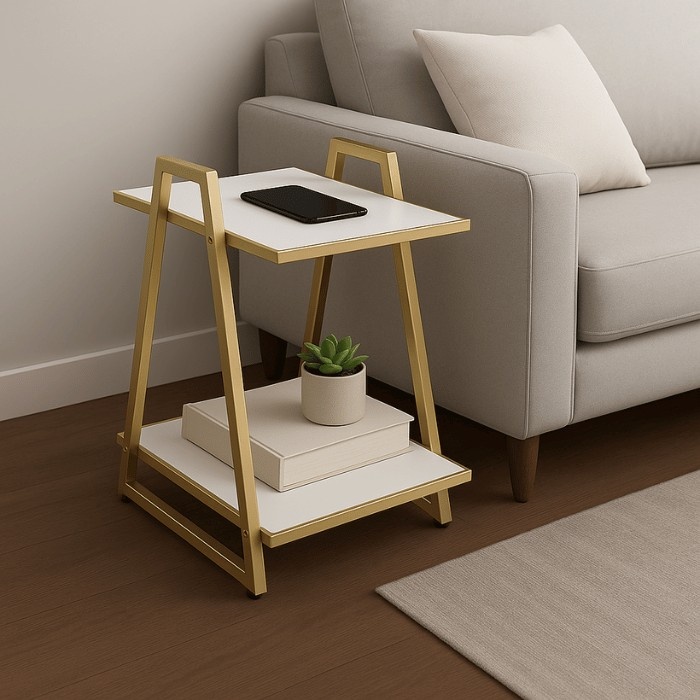
An engineered wood bedside table is made from processed wood materials such as MDF (Medium Density Fibreboard), particleboard, or plywood that are bonded together using strong adhesives and finished with laminates or veneers. These materials are specifically engineered to replicate the appearance and texture of natural wood while offering greater affordability and more consistent quality. Because the wood fibres are compressed and structured during manufacturing, engineered wood often provides a smooth surface that works well with modern finishes and designs.
Another advantage of engineered wood is that it uses wood resources more efficiently, making it a popular option for contemporary furniture production. An engineered wood bedside table can be manufactured in various shapes, sizes, and finishes, allowing homeowners to choose designs that match different bedroom styles—from minimalist and modern to classic and decorative. Because of this versatility, engineered wood is widely used in modern bedroom furniture, especially bedside tables that combine everyday functionality with aesthetic appeal while still maintaining good bedside table durability when properly cared for.
Pros of Engineered Wood Bedside Tables
1. Affordable and Budget-Friendly
One of the biggest advantages of an engineered wood bedside table is its cost-effectiveness. Compared to solid hardwood furniture, engineered wood options are significantly more affordable while still offering a stylish appearance.
2. Stylish and Modern Designs
Engineered wood furniture is easier to shape and finish, allowing manufacturers to create sleek designs, contemporary finishes, and multiple color options that suit different interior styles.
3. Lightweight and Easy to Move
Unlike heavy hardwood furniture, engineered wood bedside tables are generally lighter. This makes rearranging your bedroom or cleaning around furniture much easier.
4. Consistent Quality
Solid wood can sometimes warp or crack due to natural grain variations. Engineered wood materials are manufactured to provide consistent structure and finish.
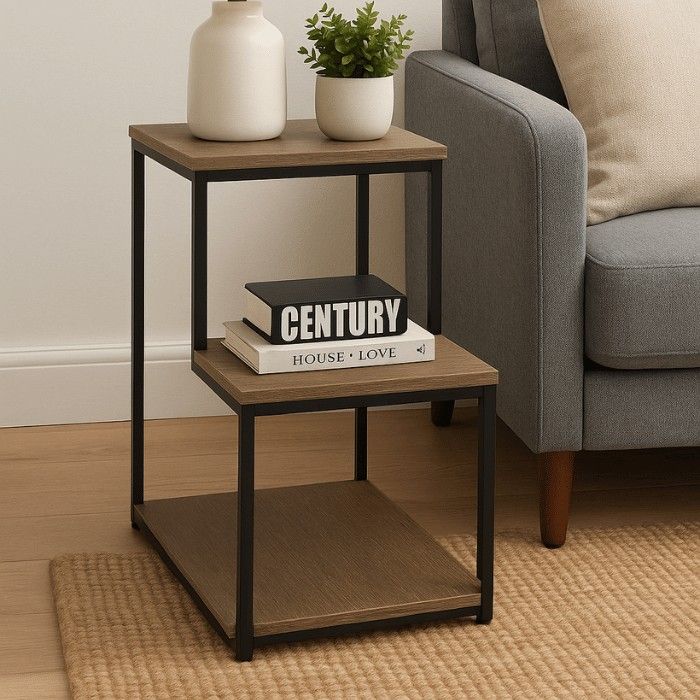
Cons of Engineered Wood Bedside Tables
1. Limited Moisture Resistance
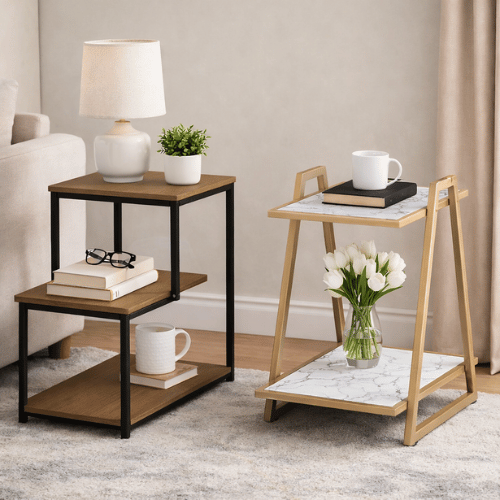
One downside of an engineered wood bedside table is that prolonged exposure to moisture can cause swelling, warping, or surface damage. Materials like particleboard and MDF can absorb water if the protective laminate layer is compromised. For example, placing wet glasses, spilled liquids, or keeping the table in a humid environment may gradually weaken the structure. To maintain good bedside table durability, it is important to keep the surface dry and use coasters or protective mats whenever placing beverages or damp objects on the table.
2. Lower Lifespan Compared to Solid Wood
Although an engineered wood bedside table can last many years with proper care, it generally does not have the same lifespan as solid hardwood furniture. Solid wood pieces are known for their strength and ability to withstand decades of use, often becoming heirloom furniture passed down through generations. Engineered wood, on the other hand, is designed to be cost-effective and practical for modern homes. With proper maintenance and careful use, however, an engineered wood table can still provide reliable bedside table durability for everyday bedroom needs.
3. Difficult to Repair
Another limitation of an engineered wood bedside table is that repairing damage can be more challenging compared to solid wood furniture. When solid wood surfaces get scratched or dented, they can often be sanded down, polished, or refinished to restore their original look. In contrast, engineered wood tables are typically covered with a laminate or veneer finish. If this outer layer becomes deeply scratched, chipped, or peeled, repairing it perfectly may be difficult without replacing the panel. This is why protecting the surface from sharp objects and heavy impact is important for maintaining long-term bedside table durability.
Tips to Improve Bedside Table Durability
Even though engineered wood furniture may have some limitations, proper care and maintenance can significantly improve bedside table durability. With a few simple habits, you can keep your engineered wood bedside table looking attractive and functioning well for many years. Regular cleaning, protection from moisture, and mindful everyday use all play an important role in maintaining the strength and appearance of the furniture.
1. Keep It Away from Moisture
Moisture is one of the main factors that can affect the lifespan of an engineered wood bedside table. Avoid placing water glasses, wet items, or leaking bottles directly on the surface, as prolonged exposure to moisture can cause swelling or damage to the material underneath the laminate layer. Using coasters, trays, or small mats is a simple way to prevent accidental spills from affecting the table. It is also helpful to quickly wipe up any spills to maintain better bedside table durability over time.
2. Clean with a Dry or Slightly Damp Cloth
Regular cleaning helps maintain both the appearance and hygiene of your engineered wood bedside table. A soft microfiber cloth works best for removing dust and everyday dirt without scratching the surface. If needed, you can use a slightly damp cloth to wipe away stains or marks, but make sure to dry the surface immediately afterward. Avoid harsh chemical cleaners or abrasive scrubbers, as they may damage the laminate finish and reduce the long-term bedside table durability.
3. Avoid Excess Weight
While an engineered wood bedside table is designed to handle everyday items such as lamps, books, or alarm clocks, placing excessive weight on the surface or inside the drawers can strain the structure. Overloading the table may weaken joints, damage drawer sliders, or cause the surface to bend over time. To maintain good bedside table durability, it is best to distribute weight evenly and avoid placing unusually heavy decorative items or equipment on the table.
4. Protect the Surface
Protecting the surface of your engineered wood bedside table can go a long way in preserving its appearance and functionality. Decorative trays, table runners, or protective mats can help prevent scratches, stains, and heat marks from everyday items. These small additions not only enhance the look of your bedside setup but also act as a protective barrier that helps extend the lifespan and bedside table durability of the furniture.
Is an Engineered Wood Bedside Table Worth Buying?
For homeowners looking for stylish yet budget-friendly bedroom furniture, an engineered wood bedside table can be a practical and attractive option. These tables are designed to provide the look and functionality of traditional wooden furniture while remaining more affordable and accessible for modern households. They are available in a wide range of designs, finishes, and colours, making it easy to find a piece that complements different bedroom styles—from minimalist and contemporary interiors to more classic décor themes. While an engineered wood table may not match the decades-long lifespan of solid hardwood furniture, it can still perform very well in everyday use.
With proper care and mindful usage, you can maintain good bedside table durability for many years. Simple practices such as keeping the table away from excessive moisture, cleaning it regularly, and avoiding unnecessary weight on the surface can help preserve both its structure and appearance. When maintained properly, an engineered wood bedside table offers an excellent balance between affordability, functionality, and modern design. For many homeowners, it provides a smart furniture choice that combines practicality with style without requiring a large investment.
FAQs About Engineered Wood Bedside Tables
1. Is an engineered wood bedside table durable?
Yes, an engineered wood bedside table can be quite durable when used and maintained properly. While it may not last as long as solid hardwood furniture, high-quality engineered wood materials such as MDF or plywood can provide reliable bedside table durability for many years. Keeping the table away from moisture, avoiding heavy loads, and cleaning it regularly can help extend its lifespan.
2. What materials are used to make an engineered wood bedside table?
An engineered wood bedside table is typically made from processed wood products such as MDF (medium-density fibreboard), particleboard, or plywood. These materials are compressed and bonded together with adhesives and then finished with laminates or veneers. This manufacturing process allows furniture makers to create stylish and affordable tables while maintaining decent bedside table durability for everyday use.
3. How long does an engineered wood bedside table last?
The lifespan of an engineered wood bedside table usually ranges from 5 to 15 years depending on the quality of the material, the manufacturing process, and how well the furniture is maintained. Proper care—such as protecting it from water damage, avoiding excessive weight, and cleaning it correctly—can significantly improve bedside table durability.
4. How do you maintain an engineered wood bedside table?
Maintaining an engineered wood bedside table is relatively simple. Regular dusting with a soft cloth, avoiding harsh chemical cleaners, and protecting the surface from moisture can help keep it in good condition. Using coasters, trays, or table mats can also prevent stains and scratches, which helps maintain long-term bedside table durability.
5. Is engineered wood better than solid wood for bedside tables?
Both materials have their advantages. An engineered wood bedside table is usually more affordable, lightweight, and available in modern designs. Solid wood furniture, on the other hand, often offers greater long-term bedside table durability and can last for decades. The best choice depends on your budget, style preference, and how long you expect the furniture to last.